Classic Retro - Logo: A Designer's Real-World Embroidery Review
When I first opened the file for Classic Retro - Logo, I didn't just see a vector; I saw a potential bestseller. As someone who has spent years stitching designs onto everything from baby onesies to boutique aprons, my first instinct is always to look past the pretty preview and ask: "Will this hold up on the machine?" This design immediately struck me as having that nostalgic charm that customers love, but the real test is whether it translates well from a screen to a needle.
The First Stitch: Mood and Visual Personality
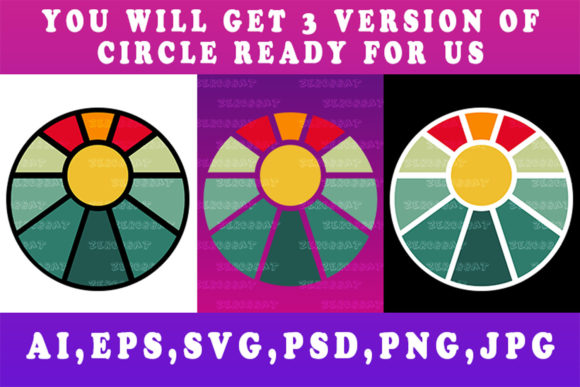
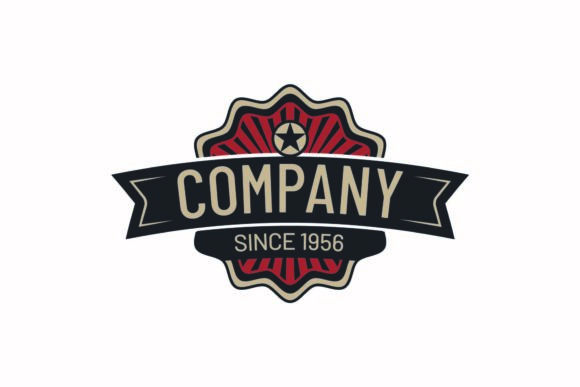
The vibe of Classic Retro - Logo is unmistakable. It captures that warm, mid-century aesthetic that feels both timeless and trendy. The shape is bold, and the layout suggests a design that wants to be seen. In the world of machine embroidery design, mood is everything because it dictates how the finished product will feel in a customer's hands. This piece feels like a vintage patch you might find on a classic work jacket or a nostalgic label on a handmade tote bag.
Visually, the design has a strong personality. It isn't cluttered, which is a huge plus. When I looked at the vector details, I noted that the lines are clean enough to handle various stitch types without losing their character. Whether you are planning a custom apparel project or creating a personalized gift, this logo brings an instant sense of craftsmanship. It sits comfortably in the Illustrations category but functions perfectly as a core Graphics element for your brand identity.
Real-World Application: From Screen to Sweatshirt
Let's talk about a scenario I encounter often: preparing a batch of custom embroidered tote bags for a local craft fair. Imagine using Classic Retro - Logo on a sturdy canvas bag. The retro theme pairs beautifully with natural fabrics, giving the item that artisanal touch that makes people stop scrolling through Etsy listings. If I were to use this on a sweatshirt, the design would likely sit well on the chest pocket area, offering a subtle yet distinct branding element.
I also envision this design thriving on baby items. The soft, rounded edges of a retro logo often translate very well to baby embroidery, adding a touch of whimsy to a nursery pillow cover or a hooded towel. For a holiday gift, stitching this onto a kitchen towel could create a charming keepsake. The versatility is what makes a designer excited; this isn't just a static image, it's a digital embroidery file ready to become a tangible asset for your craft business.
However, not every surface is created equal. While this design looks great on flat surfaces, I would approach curved surfaces like caps with caution unless I had tested the curvature mapping thoroughly. The retro style works best when the fabric allows the stitches to lay flat and show off the color contrast clearly.
Navigating Technical Challenges and Fabric Choices
Every experienced embroiderer knows that a beautiful design can fail if the technical execution doesn't match the material. With Classic Retro - Logo, there are specific areas where you need to exercise judgment. If you plan to use this on thin or stretchy fabrics, such as lightweight jersey for t-shirts, you must ensure you are using the correct stabilizer to prevent puckering. Without proper support, even the most elegant satin stitch can distort the underlying fabric.
One critical factor to consider is the detail level. While the vector is crisp, embroidery machines have limits. If you attempt to stitch this on a small hoop size, some of the finer lines might get lost in the thread density. I advise checking the stitch density before running a full production run. Dense fill stitches can sometimes make the fabric stiff, which might not be ideal for a soft baby blanket or a delicate apron. You want the texture to enhance the garment, not weigh it down.
Dark fabrics present another consideration. To make the retro colors pop, you might need a higher thread count or a different thread type than you would use on white cotton. Always test your thread colors against the final fabric background. A light-colored logo on a dark shirt requires a solid underlay to ensure the top stitches don't show the dark fabric underneath, which can ruin the clean look of the embroidered patch effect.
Practical Notes for the Design-Conscious Maker
Before you commit to a large order or start selling these as part of your small shop product line, there are a few non-negotiable steps to take. First, always test the design on scrap fabric. This simple step saves time and money by revealing any issues with hoop size or thread tension early on. Second, inspect the small details closely. Sometimes, what looks like a sharp point in the software can appear slightly rounded or blobby once stitched, depending on the needle size and thread thickness.
If you are a Etsy seller or a creative entrepreneur, you should also review the licensing terms carefully. Even though the description mentions the design is easy to edit, you need to confirm whether you have the right to sell finished products featuring Classic Retro - Logo. Commercial usage rights vary wildly between designers, and assuming you can sell without checking is a risk no professional should take.
Additionally, comparing the design in black and white mockups can help you visualize the contrast. This is especially useful if you plan to offer multiple color variations of your final product. A design that relies too heavily on color to define its shape might struggle if a customer chooses a monochromatic thread palette. The running stitch and fill stitch balance in this logo seems solid, but verifying the visual weight in grayscale ensures the silhouette remains recognizable.
Final Verdict: Value and Trust
In the end, the success of an embroidery project comes down to trust. Customers buy handmade goods because they value quality and attention to detail. Classic Retro - Logo offers a high potential for building that trust. Its clean lines and nostalgic appeal suggest a product that was made with care, not rushed out of a factory.
For those looking to expand their design assets or refresh their printable mockup gallery, this file is a strong contender. It fits seamlessly into themes ranging from holiday embroidery to everyday commercial embroidery projects. Just remember that the magic happens in the preparation. By respecting the limitations of the machine and the fabric, you can turn this vector into a stunning finished product that stands out in a crowded market.
Whether you are decorating a tote bag design for a wedding favor or creating a sweatshirt embroidery line for your own brand, taking the time to evaluate how the design behaves in real life is the mark of a true pro. Classic Retro - Logo is ready for the hoop, provided you give it the respect and testing it deserves.