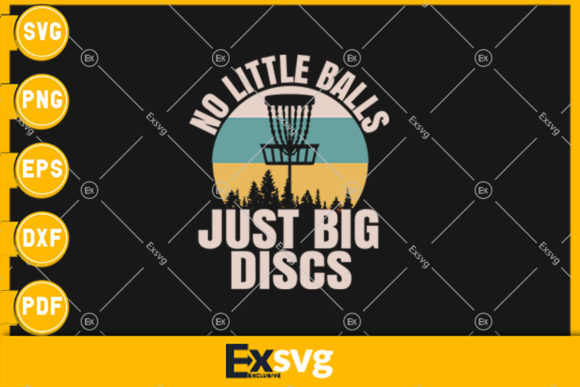
Retro No Little Balls Just Big Discs Embroidery Review
As someone who has spent years stitching, designing, and reviewing embroidery files for both personal hobbies and commercial ventures, I have learned that the devil is often in the details. When a new design enters the market, especially one with a specific niche like disc golf, it is crucial to look past the catchy title and evaluate how it will actually perform on fabric. Today, I am putting Retro No Little Balls Just Big Discs under the microscope. This isn't just about looking at a preview image; it is about understanding how this piece of digital art translates into a tangible, stitched reality.
The First Impression: A Retro Vibe with Modern Appeal
At first glance, Retro No Little Balls Just Big Discs exudes a playful, nostalgic energy. The typography and layout suggest a vintage sports aesthetic that feels right at home in the current trend of retro-inspired graphics. For an embroidery designer, the immediate question is always about clarity. Does the text remain legible when rendered in thread? Will the graphic elements hold their shape without becoming a muddy mess after washing?
The concept of "Big Discs" rather than "Little Balls" immediately signals a sense of humor that resonates with enthusiasts. In the world of craft business, designs that tell a story or make a joke tend to sell better because they create an emotional connection. This file, categorized under Print Templates and Graphics, offers a versatile foundation. It promises a mix of SVG, DXF, PNG, PDF, and EPS formats, which is excellent for those who need to adapt the design for various cutting machines or embroidery software. However, the true test lies in the execution.
Real-World Application: From Screen to Stitch
Let me walk you through a scenario where I recently considered using Retro No Little Balls Just Big Discs. Imagine you are an Etsy seller preparing a custom order for a local disc golf league tournament. You want to create a limited run of embroidered patches for the top finishers or perhaps a set of tote bags for participants. You pull up the design file and imagine it on a sturdy canvas tote bag.
The bold nature of the phrase fits perfectly on a large tote bag panel. The retro font style would pop beautifully against a navy blue or forest green background, creating a high-contrast look that is easy to read from a distance. If you were to stitch this onto a sweatshirt for a casual gift, the design acts as a focal point on the chest or back. It transforms a standard garment into a personalized item that speaks directly to the wearer's passion. The visual personality of the design suggests it belongs best in outdoor-themed apparel, kitchen towels for the grill master, or even nursery decor for parents who love the sport.
Technical Performance and Stitch Considerations
When evaluating this design for actual production, several technical factors come into play. The file includes formats suitable for both embroidery and cutting, but we must focus on the machine embroidery aspect. The text likely relies on a combination of satin stitches for the outlines and fill stitches for the body of the letters. This requires careful attention to stitch density.
If the design is too dense, the fabric may pucker, especially if you are working with lightweight materials like thin cotton or polyester blends. Conversely, if the density is too low, the lettering might lack the necessary weight to stand out. For a professional finish, you need to ensure that the thread colors chosen provide enough contrast against the fabric texture. A dark thread on a black shirt might disappear, while a light thread on a white shirt could get lost if the saturation isn't high enough.
I also recommend checking the hoop size compatibility before committing to a full production run. While the design looks great on paper, some complex curves in the retro lettering might be challenging to stabilize in smaller hoops. If you plan to use this on a cap or a curved surface, the distortion of the fabric can alter the proportions of the text. In such cases, a larger hoop or a specialized stabilizer system might be necessary to maintain the integrity of the embroidery project.
Where to Use It (And Where to Pause)
This design shines in specific environments. It is ideal for custom apparel like hoodies, t-shirts, and aprons where durability and visibility are key. It works exceptionally well as a tote bag design or a sweatshirt embroidery piece for holiday gifts. The rugged nature of the theme makes it perfect for commercial embroidery projects targeting sports clubs or outdoor enthusiasts.
However, there are areas where caution is advised. Avoid using this on very small items like baby clothes unless you are scaling it down significantly, as the text might become illegible. Thin fabrics, such as silk or sheer synthetics, are risky without heavy-duty stabilizers. Similarly, stretchy fabrics like spandex blends require extra care to prevent the design from warping during wear. If you are working with dark fabrics, ensure your underlay settings are correct to prevent the thread from sinking into the material.
Impact on Product Value and Brand Consistency
In the competitive world of handmade goods, the quality of your embroidery defines your brand. A well-executed embroidery file elevates the perceived value of your product. Customers are willing to pay more for items that show attention to detail, crisp stitching, and thoughtful design choices. Retro No Little Balls Just Big Discs has the potential to boost buyer engagement because it combines humor with a recognizable aesthetic.
For small shop owners and creative entrepreneurs, using a design that aligns with a specific niche helps build a loyal customer base. When a buyer sees a finished product that clearly communicates a shared interest, they feel a stronger connection to the maker. This design can serve as a cornerstone for a boutique branding strategy, appearing on everything from embroidered patches to printable mockups used in online listings.
Practical Designer Notes for Success
Before you start stitching, here are a few essential steps to ensure your final product is flawless:
- Test on Scrap Fabric: Always run a test stitch on a scrap piece of the same material you intend to use. This helps you gauge tension and stability.
- Check Thread Contrast: Compare your thread choices against the fabric in natural lighting to ensure readability.
- Review Stitch Density: Inspect the file in your software to see if any areas are overly dense or sparse.
- Confirm Hoop Size: Ensure your design fits within your machine's maximum hoop dimensions without cropping.
- Inspect Small Details: Zoom in on the text to make sure no tiny serifs or curves will get lost in the stitching process.
- Use Proper Stabilizer: Select a stabilizer that matches the weight and stretch of your fabric to prevent puckering.
- Verify Licensing: Before selling finished items or digital products, double-check the license terms included with the file to ensure you are compliant with commercial usage rules.
Ultimately, Retro No Little Balls Just Big Discs is a strong candidate for anyone looking to add a touch of fun and nostalgia to their collection of handmade products. Whether you are creating a personalized gift for a friend or stocking your shop with unique small shop products, this design offers a solid balance of style and practicality. By taking the time to evaluate its performance in real-world scenarios, you can ensure that every stitch contributes to a professional, trustworthy, and engaging finished product.