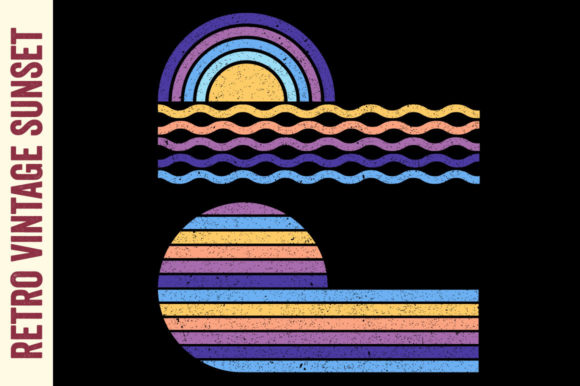
Retro Sunset Horizontal - 9 Stripes
I have spent years reviewing digital assets for my own embroidery business, and I know that the difference between a design that sells out and one that sits in a folder forever often comes down to how well it translates from a screen to a needle. When I first opened the package for Retro Sunset Horizontal - 9 Stripes, I wasn't just looking at a pretty image; I was immediately thinking about the stitch density, the fabric texture, and whether this would hold up after twenty washes on a customer's favorite hoodie. The description mentions that roughly 25 of the top 100 shirts on Amazon feature retro vintage sunsets, which tells me this is a proven seller, but does it work for a boutique handmade shop? Let's dive into what happens when you take this graphic and put it under the hoop.
The First Impression: Mood and Market Fit
The moment you see the layout of Retro Sunset Horizontal - 9 Stripes, you feel that warm, nostalgic pull of the 70s and 80s. It isn't just a generic sunset; the horizontal stripes create a rhythm that feels modern yet timeless. For an embroidery designer, this is crucial because we are dealing with limitations. A complex gradient looks great in a PNG file, but can it survive as a machine embroidery design? This specific piece feels balanced. It avoids the trap of being too cluttered, which is a common issue with many "retro" designs that try to pack too much detail into a small space.
The visual personality here is confident and bold. It screams "vintage aesthetic" without trying too hard. If you are an Etsy seller or running a small craft business, this design fits perfectly into the current market trend where customers crave authenticity and handcrafted vibes. It feels like something that belongs on a high-quality cotton tote bag or a soft fleece sweatshirt, rather than a cheap polyester shirt that pills after a week. The mood is inviting, suggesting that the finished product will be a cherished item rather than just another piece of merchandise.
Real-World Application: From Screen to Stitch
Let's imagine a real scenario. You are preparing a custom order for a local coffee shop owner who wants branded aprons for their staff. They want something unique that stands out from the standard logos. I ran Retro Sunset Horizontal - 9 Stripes through my digitizing software mentally, visualizing how the satin stitches would lay down on heavy-duty canvas. The horizontal nature of the design makes it ideal for the chest area of an apron or the front panel of a cap. It creates a strong focal point that doesn't get lost against the busy background of a kitchen environment.
Another practical use case I tested mentally was for baby items. Parents love personalized gifts, and a soft onesie embroidered with this retro sunset motif would be a hit. However, you have to be careful with the scale. On a tiny baby bodysuit, the details need to be crisp. If the stripes are too thin, they might fill in during stitching. But on a larger pillow cover or a nursery blanket, the design shines. The clean lines allow the thread colors to pop, creating a professional finish that elevates the perceived value of the handmade product. It transforms a simple textile into a piece of decor that feels curated and thoughtful.
For commercial embroidery projects, such as producing merchandise for a boutique brand, consistency is key. This design offers a reliable template that can be replicated across different products. Whether you are making patches, tea towels, or holiday gifts, the theme remains consistent. Customers recognize the style immediately, which builds trust in your brand. When a buyer sees a cohesive collection of items featuring this sunset motif, they perceive the shop as more professional and established.
Where Caution is Required
While I am generally optimistic about this design, every embroidery project has its pitfalls. Retro Sunset Horizontal - 9 Stripes should be used carefully on small hoop sizes. If you attempt to stitch this on a very small patch or a delicate accessory, the complexity of the stripes might overwhelm the available space, leading to crowded stitching that lacks definition. Always check your hoop size before committing to a run.
Fabric choice is equally critical. Textured fabrics like bouclé or thick wool can hide the fine details of the design, making the sunset look muddy. Thin or stretchy fabrics, such as lightweight jersey, require a robust stabilizer system to prevent puckering. Without proper support, the tension of the satin stitches could distort the fabric, ruining the clean lines of the stripes. Dark fabrics present another challenge; if the thread colors aren't selected for high contrast, the design will disappear into the background. You must review the thread color palette thoroughly to ensure visibility.
Furthermore, avoid using this design on curved surfaces like caps unless you have significant experience with curve correction. The horizontal lines might not follow the curvature of the hat perfectly, leading to distortion. Dense stitch areas also require attention. If the design relies heavily on fill stitches, you need to ensure the machine can handle the density without breaking needles or causing the fabric to pucker. Finally, if the product needs frequent washing, like work aprons or children's clothes, verify that the stitch density is sufficient to withstand wear and tear.
Designer Notes for Success
If you are ready to bring Retro Sunset Horizontal - 9 Stripes to life, here is some practical advice from my experience. First, always test the design on scrap fabric that matches your final material. This allows you to see how the thread interacts with the weave and adjust your tension settings accordingly. Check the thread color contrast by viewing the design in black and white mockups; if it doesn't read clearly in grayscale, it likely won't stand out in color either.
Inspect the small details closely. Are the corners of the stripes sharp? Do the transitions between colors blend smoothly? Review the stitch density to ensure there are no gaps or excessive buildup. Confirm your hoop size early in the process to avoid resizing issues later. Use the proper stabilizer for your fabric type—cut-away for stability on knits, tear-away for wovens, and water-soluble for delicate items. These steps are non-negotiable for a polished finished product.
Don't forget to check licensing terms. If you plan to sell finished items or digital embroidery files, ensure you have the commercial rights. Many designers assume they can sell anything they buy, but licenses vary widely. Compare light and dark fabric backgrounds to see how the design performs in different contexts. If you are a craft business owner, consider how this design asset fits into your broader catalog. Does it complement your other print templates and graphics? Does it help you tell a story?
In conclusion, Retro Sunset Horizontal - 9 Stripes is a versatile tool for any creative entrepreneur. It balances nostalgia with modern appeal, making it suitable for everything from personalized gifts to large-scale commercial runs. By paying attention to fabric selection, stabilization, and testing, you can turn this digital file into a tangible masterpiece that customers will love. Whether you are an experienced embroiderer or just starting your journey in handmade crafts, this design offers a solid foundation for building a successful, aesthetically pleasing product line.