Retro Vintage - Mountain Biking Gear Review
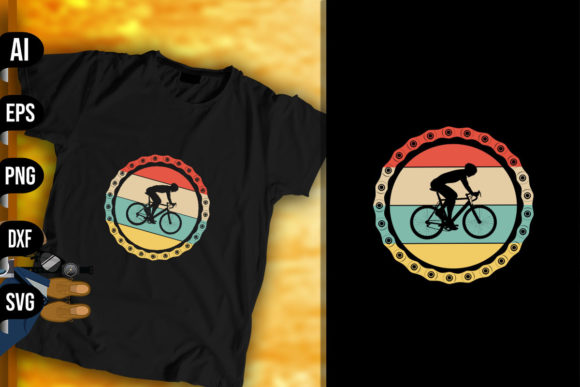
When I first opened the files for Retro Vintage - Mountain Biking Gear, my immediate thought wasn't about stitch counts or file formats. It was about the vibe. There is a specific nostalgia in retro graphics that hits different when you are looking at embroidery designs. This piece captures that worn-in, classic aesthetic perfectly. As someone who has spent years reviewing digital assets for real-world projects, I can tell you that finding a design that balances artistic flair with practical stitching potential is rare. This machine embroidery design feels like it belongs on a well-loved sweatshirt or a rugged tote bag rather than a pristine, high-tech garment.
The theme of mountain biking gear immediately suggests durability and adventure. The layout appears to have a strong central focus, which is crucial for embroidery project success. When I visualize this as an embroidered patch or a chest logo on a cap, the shapes seem to hold up well against the tension of the hoop. However, before we jump into the finished product, we need to talk about how this digital embroidery file translates from a screen to thread.
Real-World Application: The Tote Bag Scenario
Let's imagine a real scenario. You are prepping for a local craft fair or launching a new line of products on Etsy. You want to create a unique tote bag design that appeals to outdoor enthusiasts without looking generic. You decide to use Retro Vintage - Mountain Biking Gear for a custom canvas tote.
In this context, the design shines. Canvas is a sturdy fabric that can handle the density often required for vintage-style graphics. The retro look pairs beautifully with natural cotton tones, creating a product that feels artisanal and handcrafted. Customers browsing your shop will likely associate the detailed stitching with quality. A simple graphic printed on a bag might feel mass-produced, but seeing the texture of the thread elevates the perceived value. This design could easily become a signature item for a small business selling handmade goods.
I also see this working exceptionally well for sweatshirt embroidery. Imagine a heavy-weight fleece hoodie with the design centered on the back. The contrast between the soft fabric and the structured stitches would create a tactile experience that customers love. For a holiday gift or a personalized present, adding a name or date alongside this graphic would make it a keepsake rather than just merchandise.
Navigating Fabric and Stitch Challenges
While the concept is strong, every designer knows that execution depends on the materials. If you plan to use Retro Vintage - Mountain Biking Gear on thin fabrics or stretchy knits, proceed with caution. Vintage designs often rely on clean lines and defined edges, which can get lost if the fabric puckers under the needle. For these applications, using the correct stabilizer is non-negotiable. You need enough support to keep the design flat and prevent distortion.
Another area to consider is the hoop size. If the design contains intricate details in the corners or tiny lettering, you must ensure your machine can accommodate the full dimensions without cutting off elements. Testing on scrap fabric is always my first step. I recommend running a test run to check the stitch density. High-density areas can sometimes cause the fabric to bunch up, especially on lighter materials. If the design uses a lot of fill stitch, it adds weight and texture, which is great for durability but requires a stable base.
Color selection plays a massive role here. Since this is a Print Templates style graphic adapted for embroidery, the original color palette might not translate directly to thread colors. You need to evaluate the contrast between the thread and the background fabric. On dark fabrics, light threads pop, but they may require additional layers to cover the background completely. Conversely, on light fabrics, dark threads offer a sharp, crisp look. Always review the design in black and white mockups to ensure the shape holds up without relying solely on color.
Where to Exercise Caution
- Small Hoop Sizes: Avoid placing this design on very small items where detail loss is a risk.
- Textured Fabrics: Rough textures can hide fine details, making the design look muddy.
- Curved Surfaces: While caps are popular, complex curves can distort straight lines in vintage logos.
- Frequent Washing: Ensure the design is anchored well if the final product will undergo heavy laundering.
Visual Appeal and Brand Consistency
For Etsy sellers and creative entrepreneurs, visual consistency is key to building trust. Using a cohesive design language across your small shop product line helps buyers recognize your brand. Retro Vintage - Mountain Biking Gear offers a distinct personality that can anchor a collection of outdoor-themed apparel. Whether you are creating baby embroidery items like onesies or kitchen towels for home decor, the retro theme adds a touch of warmth and character.
The design's ability to serve as a design asset extends beyond physical goods. Many sellers use these files to create printable mockups for their online listings. Seeing the design rendered realistically on a mockup helps customers visualize the final result, increasing engagement and conversion rates. However, remember that the mockup is only as good as the source file. If the embroidery file lacks clarity, the mockup will suffer too.
When considering commercial use, always verify the licensing terms. Some graphics are intended for personal use only, while others allow you to sell finished items. Clarifying this before you start production protects your business from legal issues. If the license permits commercial sales, this design could be a staple for commercial embroidery orders, from corporate gifts to event swag.
Final Thoughts for the Designer
Ultimately, Retro Vintage - Mountain Biking Gear is more than just a pretty image; it is a tool for storytelling through thread. Its strength lies in its ability to evoke a sense of history and adventure, making it perfect for projects that need a bit of soul. Whether you are making a one-off personalized gift or scaling up production for a boutique, this design provides a solid foundation.
Before you commit to a large batch, take the time to test. Check your thread colors, inspect the running stitch areas for gaps, and ensure the satin stitch edges are smooth. By treating the design with care and understanding its limitations, you can turn a simple digital file into a standout finished product. For those of us who love the craft, there is nothing quite like the satisfaction of seeing a design come to life on the fabric, transforming a blank canvas into something tangible and meaningful.
If you are looking for a versatile addition to your library of digital embroidery files, this piece deserves a spot. It fits seamlessly into the world of craft business items, offering both aesthetic appeal and practical utility. Just remember, the best results come from preparation, patience, and a keen eye for detail.