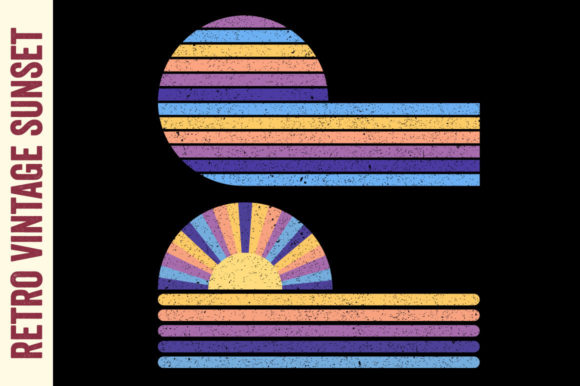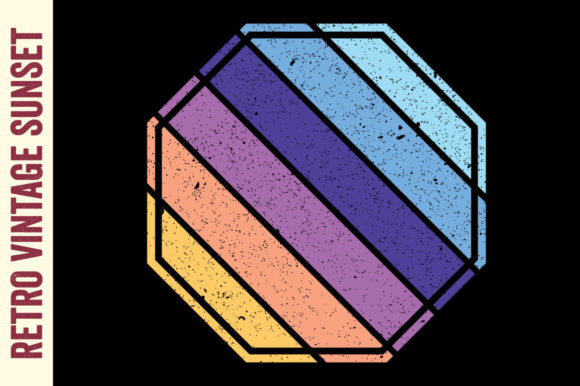
Retro Vintage Polygon Sunset KDP Review
As a designer who has spent years testing digital assets for real-world embroidery, I approach every new file with a mix of excitement and skepticism. When Retro Vintage Polygon Sunset KDP landed in my inbox, I wasn't just looking at another pretty graphic; I was evaluating whether it could survive the transition from screen to stitch. In the world of handmade goods and print-on-demand businesses, a design that looks good in a mockup can often fall apart under the needle. This review breaks down exactly how this specific design performs when you take it out of the computer and put it on fabric.
The First Impression: Mood and Visual Personality
The immediate feeling you get from Retro Vintage Polygon Sunset KDP is one of nostalgic warmth. The polygon style offers a modern geometric twist on the classic sunset silhouette, creating a visual rhythm that feels both structured and organic. Unlike traditional freehand sunsets which can sometimes look messy or blurry after stitching, the angular nature of this design promises clean lines and defined shapes. It creates a mood that is cozy yet contemporary, making it an excellent candidate for apparel decorators and boutique owners looking to add a touch of mid-century modern flair to their collections.
The layout is balanced, allowing the eye to travel across the gradient-like effect created by the varying polygon sizes. For a custom apparel project, this balance is crucial. It doesn't scream for attention but rather invites a closer look once the garment is being worn. Whether you are designing for a craft business or selling on Etsy, this kind of subtle sophistication helps elevate the perceived value of your finished product. It feels like a design that belongs on a high-quality cotton tee or a sturdy canvas tote, rather than something flimsy or overly trendy.
Real-World Application: From Screen to Stitch
To truly understand the potential of Retro Vintage Polygon Sunset KDP, I imagined applying it to a few specific scenarios. Let's say you are preparing a custom embroidered tote bag for a local craft fair. The geometric shapes would translate beautifully onto canvas, where the stability of the fabric supports the precision of the polygons. The design would likely stand out against a neutral background, offering a pop of color without overwhelming the utility of the bag.
Consider a sweatshirt embroidery project for a small shop. The fill stitches required for the larger polygon areas would create a rich texture, adding depth to the garment. However, the success here depends heavily on the thread colors chosen. If you select a palette that mimics a true vintage sunset—deep oranges, dusty pinks, and muted purples—the design will feel authentic. If the colors are too neon or flat, the retro vibe gets lost. I also envision this design on a baby item, like a onesie or a blanket. The soft, rounded edges of the polygons (depending on the specific cut) make it safe and appealing for nursery decor, provided the stitch density isn't too stiff for delicate skin.
For commercial embroidery projects, such as branded aprons for a coffee shop or kitchen towels for a gift set, the design offers versatility. The Print Templates aspect mentioned in the description suggests it fits well into broader design systems. You could easily pair it with other elements to create a cohesive brand identity. The key is consistency; using this design across multiple products creates a recognizable aesthetic that builds customer trust.
Where Caution is Required
While the design has strong appeal, there are specific situations where Retro Vintage Polygon Sunset KDP might struggle if not handled with care. One major consideration is the hoop size. Because the design relies on distinct geometric shapes, shrinking it down too much for a tiny hoop can cause the corners to merge, turning crisp polygons into muddy blobs. If you are working on a cap or a curved surface, the distortion inherent in stitching on a rounded form could warp the angles, ruining the intended symmetry.
Textured fabrics present another challenge. On a heavy denim or a nubby linen, the fine details of the smaller polygons might get lost in the weave of the material. Similarly, thin or stretchy fabrics require a robust stabilizer strategy. Without proper support, the tension of the satin and fill stitches could cause the fabric to pucker, distorting the clean lines of the sunset. Dark fabrics are also a factor; while they offer great contrast for light threads, ensuring the underlying fill stitches cover the dark base completely is essential to maintain the design's integrity.
I would also advise caution when using this design for items that need frequent washing, like kitchen towels or work aprons. High-density stitch areas can sometimes trap lint or wear down faster if the thread quality isn't top-tier. Additionally, if the design includes any tiny lettering or very sharp, intricate corners, these should be inspected closely. In embroidery files, extreme detail often leads to thread breaks or difficult registration during production.
Design Notes for the Practical Designer
If you decide to move forward with Retro Vintage Polygon Sunset KDP, there are several practical steps you must take before committing to a full production run. First and foremost, always test the design on scrap fabric. This allows you to see how the stitch density interacts with your specific materials and adjust the settings accordingly. Do not assume the default settings will work perfectly for every fabric type.
Review the thread color contrast carefully. Since this is a graphics file converted for embroidery, ensure that the chosen thread palette captures the gradient effect of the original image. A monochromatic scheme might look flat, while a multi-color setup requires careful planning to avoid unnecessary trims. Check the hoop size limits of your machine and verify that the design dimensions fit comfortably within them, leaving enough margin for hooping.
Inspect the small details in a black and white mockup first. This helps you visualize the negative space and ensures that the shapes remain distinct even without color. Compare how the design looks on both light and dark backgrounds to confirm its versatility. Using the proper stabilizer is non-negotiable; for this type of geometric design, a tear-away or cut-away backing will provide the necessary stability to keep the polygons sharp.
Finally, do not overlook the licensing terms. Before selling finished items or using this as a digital embroidery file in your own store, confirm the license allows for commercial use. Many creators sell designs with restrictions on the number of units you can produce or prohibit resale of the digital file itself. Understanding these boundaries protects your small shop product line from legal issues.
Final Thoughts on Value and Appeal
Retro Vintage Polygon Sunset KDP represents a solid opportunity for designers and entrepreneurs looking to expand their offerings. It bridges the gap between digital art and tactile craft, offering a design that is visually striking yet technically feasible for most home and industrial machines. By paying attention to fabric choice, stabilization, and color selection, you can transform this asset into a standout piece of handmade product.
Whether you are creating a personalized gift for a loved one or building a catalog of Etsy seller inventory, this design adds a layer of professionalism and style. It shows that you have thought about the aesthetics and the practicality of your work. In a market saturated with generic clipart, a well-executed embroidery project featuring unique geometry stands out. It signals to customers that you care about quality, resulting in higher engagement and better reviews for your brand.
Ultimately, the success of Retro Vintage Polygon Sunset KDP lies in your hands as the creator. With the right preparation and a keen eye for detail, this design can become a staple in your collection, delivering beautiful results time and again.