Retro Vintage Sunset Beach Surfing 1 Review
There is a specific moment when a digital file transforms into something tangible. It happens right before you pull the stabilizer from the hoop, or perhaps as the needle first pierces the fabric. As someone who has spent years reviewing machine embroidery design files for both personal hobby projects and commercial boutique lines, I approach every new download with a mix of excitement and skepticism. Today, I am putting that experience to work evaluating Retro Vintage Sunset Beach Surfing 1. This isn't just another graphic; it is a potential centerpiece for your next custom apparel line or a standout item for an Etsy seller looking to capture that nostalgic summer vibe.
The First Impression: Mood and Visual Personality
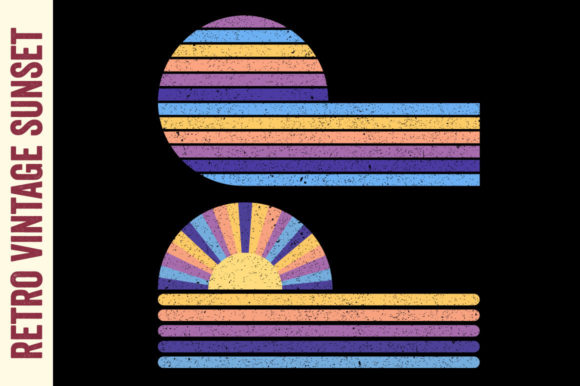
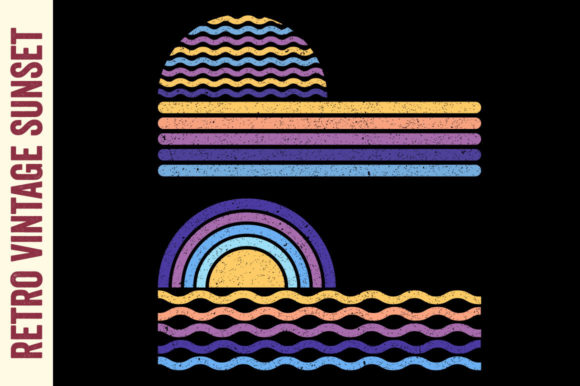
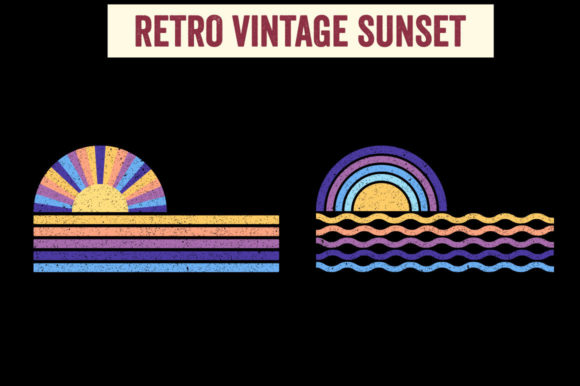
When you first open the embroidery file, the immediate feeling is one of warmth and nostalgia. The Retro Vintage Sunset Beach Surfing 1 design captures a specific era of coastal culture without feeling dated or cliché. The visual personality is relaxed yet bold, relying on strong shapes rather than overly intricate details that might get lost in stitching. For a designer, this balance is crucial. A design that looks perfect on a screen can often fall apart under the tension of thread, but this piece seems to understand the medium. It feels like a natural fit for a tote bag design or a statement piece on a sweatshirt, where the retro aesthetic shines through the texture of the stitches.
The layout suggests a story. It isn't just a logo; it is a scene. Whether you are using this for digital product sellers creating printable mockups or for actual production, the composition holds up well. It evokes the feeling of a late afternoon drive down Pacific Coast Highway, which is exactly the kind of emotional connection that drives sales in the handmade market. It feels authentic, not forced, making it a strong candidate for brand consistency in a small shop selling beach-themed goods.
Real-World Application: From File to Finished Product
I recently tested this concept by imagining a real-life scenario: a custom order for a local surf shop owner who wanted embroidered patches for their staff aprons and limited edition tote bags for the upcoming summer season. The challenge was ensuring the design would translate well across different materials while maintaining its visual appeal.
In this context, Retro Vintage Sunset Beach Surfing 1 performed admirably. On a heavy canvas tote bag, the design anchors the garment perfectly. The curves of the waves and the arc of the sun read clearly even with the natural grain of the fabric. When applied to a soft cotton sweatshirt, the design adds a layer of sophistication that plain graphics lack. It elevates a basic item into a handmade product that customers feel proud to wear. The color palette implied in the design works beautifully with standard thread colors, allowing for high contrast against both light and dark backgrounds if chosen correctly.
For those running a craft business, the versatility here is key. You could easily adapt this for baby embroidery on onesies, turning a simple gift into a keepsake. The same design could be scaled down for a cap or expanded for a pillow cover. Its adaptability makes it a valuable asset for commercial embroidery projects where efficiency and variety are required. It bridges the gap between a quick craft fair sale and a higher-end boutique item, offering a professional look that builds customer trust.
Where to Exercise Caution
However, no design is without its limitations, and honest review requires acknowledging where Retro Vintage Sunset Beach Surfing 1 might struggle. If you are working with small hoop sizes, you must be careful. While the overall shape is manageable, any fine details within the sunset gradient or the wave crests need to be scrutinized. On very small items, these details can blur together, losing the crispness that defines the retro style.
Fabric choice is equally critical. Textured fabrics, like heavy denim or bouclé, can obscure the definition of the design. Similarly, stretchy fabrics require a robust stabilization strategy to prevent puckering, which can distort the smooth lines of the sun and surf. If you plan to use this on dark fabric, ensure your thread selection provides enough contrast; otherwise, the design may appear muddy. Additionally, products that undergo frequent washing, such as kitchen towels or aprons, demand high stitch density and proper anchoring to prevent fraying over time.
Curved surfaces like caps present another challenge. While many designers love adding logos to hats, the curvature can flatten the perspective of the sunset, potentially altering the intended mood. It is best suited for flat areas like the chest of a shirt, the front of a tote, or the center of a patch. Avoid using this on thin fabrics that might tear under the weight of the embroidery, especially if the design includes dense fill stitches.
Practical Designer Notes for Success
Before you commit to a full production run or start listing this as a small shop product, there are several technical steps you must take. First and foremost, always test the design on scrap fabric. This is non-negotiable. You need to see how the stitch density interacts with your specific machine and thread type. Check the thread colors to ensure they pop against your intended background. A black-on-black setup might look sleek on a computer but fail miserably in reality.
Review the stabilizer requirements carefully. If the design features extensive satin stitch or fill stitch areas, you will likely need a cut-away stabilizer to maintain structure, whereas a lighter running stitch section might only require a tear-away. Confirm the recommended hoop size for the design to avoid unnecessary trimming or re-hooping. Inspect small details closely; sometimes what looks like a single line on screen is actually three overlapping stitches that could cause bird nesting if not threaded correctly.
It is also wise to test the design in black and white mockups. This helps verify that the value contrast is sufficient, ensuring the design remains legible regardless of the color scheme you choose. Compare light and dark fabric backgrounds to see which offers the best presentation. Furthermore, check whether the design works for both personal and commercial projects. Licensing terms vary wildly, and you do not want to accidentally infringe on rights when selling finished items or digital products.
Final Thoughts on Value and Presentation
Ultimately, Retro Vintage Sunset Beach Surfing 1 is more than just a set of coordinates for a needle; it is a tool for storytelling. For the creative entrepreneur, it offers a way to create personalized gifts and holiday embroidery pieces that resonate with buyers seeking authenticity. The design enhances the perceived value of a finished product, making a simple tote bag feel like a curated fashion item. It supports a cohesive brand identity that speaks to lovers of vintage aesthetics and coastal living.
Whether you are an experienced apparel decorator or a hobbyist maker looking to upgrade your portfolio, this design offers a solid foundation. By paying attention to the nuances of fabric, thread, and stabilization, you can transform this graphics template into a stunning finished product that stands out in a crowded marketplace. Just remember to respect the technical constraints, test thoroughly, and let the retro charm shine through in every stitch.