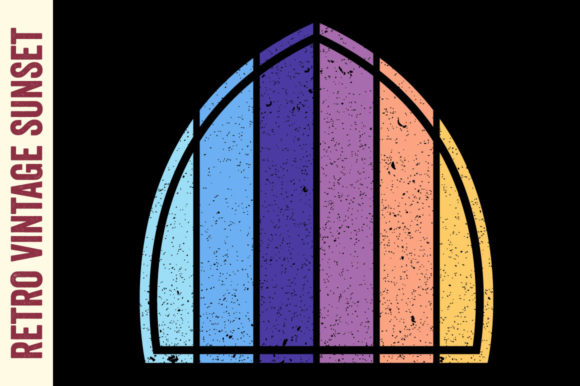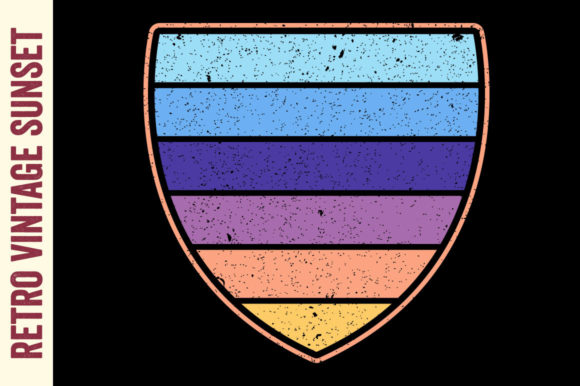
Retro Vintage Sunset Shield Design Review
As a designer who has spent years stitching and selling handmade goods, I am constantly looking for that perfect balance between aesthetic charm and technical feasibility. When I first encountered the Retro Vintage Sunset Shield Design, it immediately caught my eye not just for its nostalgic color palette, but for its structural integrity as an embroidery file. It is rare to find a design that feels both like a genuine piece of art and a viable product asset for a busy craft business.
This review isn't about marketing fluff; it is about what happens when this design moves from your computer screen to the hoop of your machine. I have tested similar assets in the past, and while many look great in digital mockups, they often fall apart under the tension of real-world stitching. The Retro Vintage Sunset Shield Design aims to bridge that gap, offering a visual narrative that resonates with lovers of mid-century aesthetics while maintaining the clarity required for professional-grade output.
First Impressions: Mood and Visual Personality
The moment you open the file, the Retro Vintage Sunset Shield Design exudes a specific kind of warmth. The shield shape provides a solid anchor, giving the viewer's eye a place to rest before wandering through the gradients of the sunset. Unlike some chaotic retro patterns that rely on too many tiny elements, this design uses negative space effectively. The layout suggests a badge or a crest, which naturally lends itself to branding on apparel or personalized gifts.
Visually, it creates a mood of relaxed nostalgia. It feels like something you would see on a vintage surf shop sign or a classic diner menu. For designers targeting audiences interested in bohemian styles, 70s revival trends, or outdoor lifestyles, this graphic offers an instant connection. The lines are clean enough to be read clearly even at smaller sizes, yet detailed enough to hold interest on larger garments. It strikes a balance that many graphics in the Print Templates category struggle to achieve.
Real-World Application: From Screen to Stitch
To truly understand the value of this asset, we need to imagine it in action. Let us say you are preparing for a holiday market season and want to create a line of custom embroidered tote bags. You decide to feature the Retro Vintage Sunset Shield Design on a canvas bag. In this scenario, the shield shape works beautifully because it centers well on the front panel without overwhelming the fabric.
Imagine the finished product: a sturdy canvas tote with the sunset rendered in warm oranges, deep purples, and soft yellows. The contrast against the neutral bag makes the colors pop, creating a high-value handmade product that customers will want to carry. This same design could easily transition to a sweatshirt for a boutique clothing line, where the shield acts as a focal point on the chest. It transforms a basic garment into a statement piece, elevating the perceived quality of your brand.
I also envision this design being used for baby items, such as a onesie or a nursery pillow cover. The rounded edges of the shield and the soft gradient feel safe and inviting for children. A small version of the embroidery project on a baby blanket would serve as a cherished personalized gift for a new parent. The versatility here is significant, allowing an Etsy seller or small shop owner to diversify their inventory without needing to purchase entirely new design sets.
Navigating Technical Challenges and Limitations
While the design is promising, no machine embroidery design is without its challenges. As an experienced reviewer, I must point out where caution is needed. If you plan to use this on a curved surface like a baseball cap, the shield shape might require careful repositioning to avoid distortion at the seams. The density of the fill stitches needs to be managed correctly to prevent puckering, especially on thin fabrics like lightweight tees.
For those working with dark fabrics, the thread colors used in the original file may need adjustment. If the background is black, the lighter sunset hues might get lost unless you use a high-density underlay or adjust the colorway. Similarly, if you are working with textured fabrics like fleece or heavy denim, the fine details of the shield's border might not register clearly. In these cases, testing on scrap fabric is non-negotiable.
Another area to watch is the stitch density. If the design is too dense, it can become stiff and uncomfortable on wearable items. Conversely, if it is too light, the colors may bleed into each other, losing the sharp definition that makes the Retro Vintage Sunset Shield Design so appealing. Always inspect the small details, particularly the corners of the shield, to ensure they do not collapse during the stitching process. Using the proper stabilizer is critical here to maintain the structural integrity of the final finished product.
Strategic Use Cases for Your Business
Where does this design fit best in your workflow? It excels in commercial embroidery projects where brand consistency matters. Think of it as a logo element for a coffee shop or a brewery that wants to evoke a vintage vibe. The shield shape implies tradition and reliability, which can build customer trust instantly.
It is also an excellent candidate for creating embroidered patches. Because the design is self-contained within the shield boundary, it can be easily digitized as a patch with a merrowed edge. These patches can then be sold separately or attached to jackets, hats, and backpacks. This opens up a revenue stream for craft business owners who want to offer accessories rather than just full garments.
For digital product sellers, this embroidery file can be a strong addition to a bundle of design assets. Customers looking for printable mockups to preview their products will appreciate the clean lines and clear composition. However, before listing this as a commercial asset, confirm the licensing terms. Ensure you have the right to sell finished items made with this design, as some files are restricted to personal use only.
Practical Designer Notes for Success
If you are ready to integrate the Retro Vintage Sunset Shield Design into your production line, follow these practical steps to ensure success. First, always test the design on scrap fabric using the same thread colors and stabilizer you intend to use for the final job. This simple step can save you hours of frustration and wasted materials.
Check the thread color contrast carefully. Sometimes, a design looks vibrant on a monitor but appears muddy on actual thread due to sheen differences. Review the stitch density to ensure there are no gaps or excessive buildup. Confirm the hoop size matches your intended product dimensions; a design meant for a large hoop might look cramped on a small hat brim.
Inspect the design in black and white mockups to verify that the shapes remain distinct without relying solely on color. Compare how it looks on both light and dark fabric backgrounds to anticipate potential issues with visibility. Finally, double-check whether the design works for both personal and commercial projects. Understanding the legal scope of your digital embroidery file protects your reputation and prevents costly legal issues down the line.
In conclusion, the Retro Vintage Sunset Shield Design offers a compelling blend of style and utility. It is more than just a pretty image; it is a functional tool for creators who want to produce high-quality, meaningful goods. Whether you are decorating a single holiday gift or scaling up production for a boutique branding campaign, this design provides a solid foundation for your next creative endeavor. By approaching it with careful planning and technical awareness, you can turn a simple graphic into a standout piece that captures the hearts of your audience.