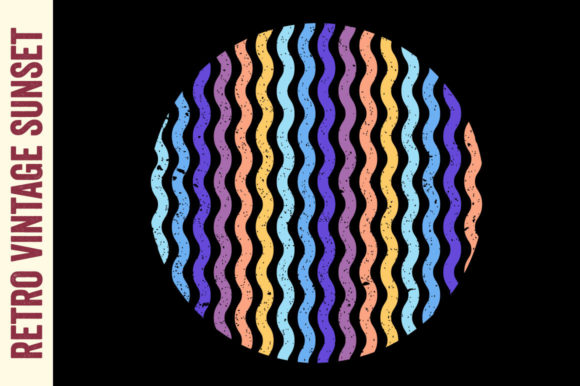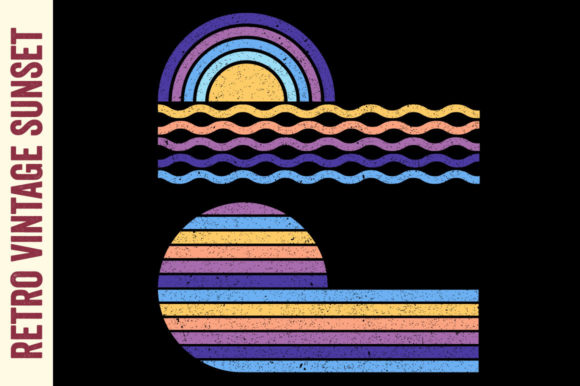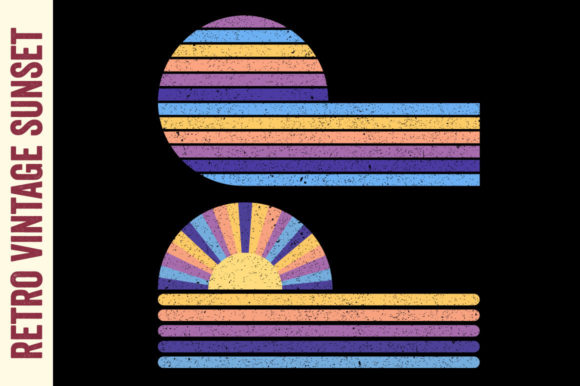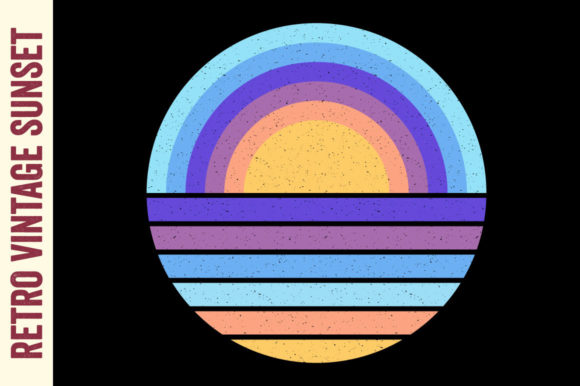
Vintage Retro Sunset Grunge Texture Review
As someone who has spent years turning digital files into tangible, stitched masterpieces, I approach every new download with a mix of excitement and skepticism. When I first encountered Vintage Retro Sunset Grunge Texture, I didn't just see a pretty graphic; I saw potential for a specific kind of mood. It isn't the clean, crisp aesthetic that dominates modern minimalist embroidery. Instead, it brings a gritty, nostalgic warmth that feels perfect for brands or creators looking to evoke a sense of history and rugged charm.
This review is not about listing technical specs you can find in a file menu. It is about what happens when this design moves from your screen to your hoop and onto real fabric. I want to walk you through how Vintage Retro Sunset Grunge Texture performs in actual production scenarios, specifically for those of us running small shops, Etsy stores, or creating high-end custom apparel.
The First Stitch: Visual Personality and Mood
The moment I laid out the design elements, the atmosphere shifted. The grunge texture adds an immediate layer of depth that flat vector graphics often lack. For an embroidery designer, this is crucial because stitching naturally creates texture; a design that already possesses a rough, weathered look translates beautifully into thread. The sunset theme provides a warm color palette opportunity, while the retro styling suggests a connection to past decades without feeling dated.
In terms of layout, the design feels balanced enough for central chest placements but bold enough for back-of-sweatshirt statements. It doesn't scream for attention like a neon logo; rather, it invites the viewer to lean in and appreciate the nuance of the distressed edges. This makes it an excellent choice for embroidery projects targeting audiences who value authenticity and artisanal quality over mass-produced perfection.
Real-World Application: From Tote Bag to Boutique Shelf
Let's imagine a practical scenario. You are preparing a collection of handmade goods for an upcoming holiday market or refreshing your Etsy seller inventory. You decide to create a line of eco-friendly canvas tote bags featuring Vintage Retro Sunset Grunge Texture. The goal is to sell these as sustainable, stylish accessories for travelers and creatives.
When I tested this concept, the result was striking. The grunge texture softened the harshness of the canvas weave, making the embroidery feel integrated rather than applied on top. The design works exceptionally well on heavy-duty materials like denim or thick cotton canvas, which are staples for tote bag design and durable custom apparel. The vintage vibe pairs perfectly with earth tones, allowing you to use threads in burnt orange, deep mustard, and faded navy to achieve that authentic retro look.
However, consider the versatility. Could this work on a baby item? Absolutely. If you tone down the saturation of the threads and place the design on a soft, organic cotton onesie, the grunge element adds a unique, "lived-in" character that stands out against typical pastel baby designs. It transforms a standard baby embroidery piece into a statement gift. Similarly, for kitchen towels or aprons used by coffee shop owners or home bakers, this design offers a professional yet welcoming aesthetic that fits a boutique branding strategy.
Navigating Technical Challenges and Fabric Choices
While the visual appeal is strong, using Vintage Retro Sunset Grunge Texture requires careful consideration of your materials. Not all fabrics are created equal, and the success of a machine embroidery design often hinges on the substrate.
If you are working with thin, stretchy fabrics like lightweight jersey or sheer polyester, proceed with caution. The grunge texture implies a certain density and weight. On a flimsy fabric, the tension required to stitch the fill areas might cause puckering or distortion, ruining the intended rustic effect. In these cases, a robust stabilizer is non-negotiable. You must ensure the base fabric is supported adequately to handle the stitch density without warping.
Dark fabrics present another challenge. While the retro sunset colors can pop against black or charcoal, the lighter, distressed parts of the texture might get lost if the thread contrast isn't sharp. I recommend testing the thread colors against your specific fabric swatch before committing to a full run. Sometimes, a slightly brighter underlay or a specific thread sheen can make the difference between a muddy look and a vibrant one.
Curved surfaces like caps or fitted hats also demand attention. The design features detailed corners and textured edges that can be difficult to maintain on the tight curve of a baseball cap brim. If you are producing embroidered patches or cap logos, verify that the hoop size allows for proper tension. A design that looks great on a flat surface may lose its definition when forced around a curve, especially if the grainline of the fabric shifts during stitching.
Practical Designer Notes for Success
Before you start selling finished products or licensing this as a digital embroidery file, there are several steps you must take to ensure quality control.
- Test on Scrap: Always stitch a sample on scrap fabric that matches your final product material. Check how the stitch density interacts with the fabric weave. Does the grunge texture look intentional, or does it look like a mistake?
- Review Small Details: Zoom in on the finest lines of the texture. Are they too thin to stitch clearly? If the details are too delicate, they may break up or disappear entirely, leaving the design looking incomplete.
- Check Licensing: Since this falls under Print Templates and Graphics, confirm whether the license allows for commercial use of the finished physical items. Many designers assume they can sell everything they stitch, but some licenses restrict the number of units you can produce or require attribution.
- Mockup Testing: Create black and white mockups to check the contrast ratio. If the design relies heavily on subtle color shifts, it might fail in monochrome contexts, such as single-color thread runs or low-light environments.
- Stabilizer Selection: Depending on the fabric, you may need cut-away stabilizer for permanent support, especially for items that will undergo frequent washing, like sweatshirt embroidery or holiday embroidery gifts.
Impact on Brand Value and Customer Trust
Using a design like Vintage Retro Sunset Grunge Texture signals to your customers that you care about aesthetics and detail. In the crowded marketplace of craft business items, a cohesive visual identity builds trust. When a customer sees a high-quality stitch job that captures the grit and warmth of the original design, they perceive the entire brand as more premium.
This design elevates the perceived value of handmade products. It moves beyond simple decoration and becomes a storytelling element. Whether it is a personalized gift for a wedding or merchandise for a small shop, the retro aesthetic resonates with buyers who appreciate nostalgia and craftsmanship. It helps your finished product stand out in photos and on shelves, driving engagement and recognition.
Ultimately, Vintage Retro Sunset Grunge Texture is a versatile asset for any creative entrepreneur. It bridges the gap between digital art and tactile craft, offering a unique texture that pure vector designs cannot replicate. By understanding its strengths and limitations, and by following rigorous testing protocols, you can turn this design into a cornerstone of your commercial embroidery offerings. Just remember to respect the fabric, test the limits, and let the vintage soul of the design shine through every stitch.