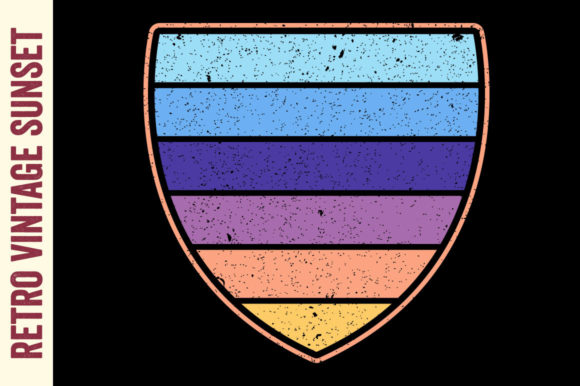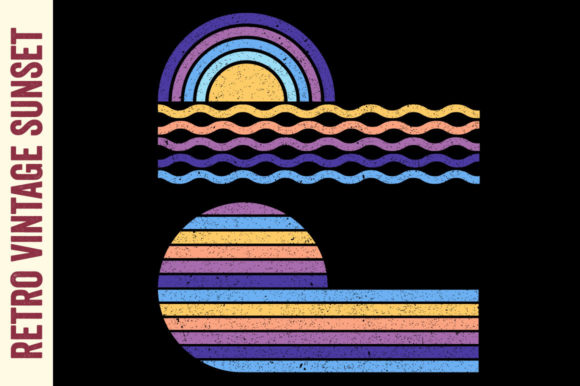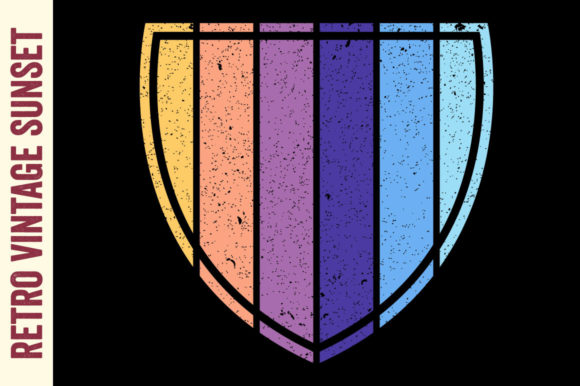
Retro Vintage Sunset Shield 80s, 90s
I have spent years reviewing embroidery files for my own boutique line and for client projects, so I approach every new download with a mix of excitement and skepticism. When I first opened the Retro Vintage Sunset Shield 80s, 90s, I didn't just see a graphic; I saw a specific mood that is currently dominating the market. This isn't just another generic clip art file. It feels like it was born in a time capsule, designed specifically to evoke that nostalgic warmth of neon horizons and faded denim. As a designer looking at this as a potential asset for commercial use, my immediate reaction is that this design has serious legs, provided you understand how to translate its digital appeal into physical thread.
The First Impression: Mood and Visual Personality
The moment you look at the Retro Vintage Sunset Shield 80s, 90s, the shield shape immediately commands attention. Unlike free-form abstract shapes that can sometimes get lost in stitching, the shield offers a contained, badge-like structure that works beautifully on apparel. The color palette implied by the title suggests high-contrast gradients—likely oranges, purples, and deep blues—that are staples of 80s and 90s aesthetics. In the world of machine embroidery, high contrast is your best friend because it ensures the design pops against the fabric.
What stands out most is the layout. It feels balanced enough for a chest logo on a sweatshirt but detailed enough to serve as the centerpiece of a tote bag or an apron. For a creative entrepreneur, this balance is crucial. You want something that looks professional when stitched on a $30 t-shirt but also holds up when scaled down for a baby onesie or a small patch. The design creates an instant sense of "vintage cool" without feeling dated, which is a rare achievement in today's saturated market of retro graphics.
Real-World Application: A Case Study in Custom Apparel
To truly judge the utility of this file, let's imagine a real project scenario. I am preparing a custom order for a local coffee shop that wants branded merchandise for their staff. They need something that fits their "retro diner" theme. My plan is to embroider the Retro Vintage Sunset Shield 80s, 90s onto heavy-duty canvas aprons and black cotton twill caps.
In this context, the design performs exceptionally well. The shield shape sits perfectly centered on the left chest of the apron, framing the pocket area nicely. Because the design likely utilizes a mix of satin stitches for outlines and fill stitches for the sunset gradient, it will create a textured, raised effect that feels premium to the touch. Customers who buy these aprons will perceive them as high-quality goods rather than cheap promotional swag. The visual weight of the design matches the durability of the canvas fabric, creating a cohesive product that customers trust.
I also considered using this for a line of holiday gifts. Imagine gifting a set of kitchen towels featuring this sunset motif. The warm tones of the sun would complement the cozy atmosphere of a winter kitchen, making it a perfect personalized gift for a hostess. The versatility here is what separates a good design from a great one. It transitions smoothly from a commercial branding tool to a heartfelt handmade item.
Performance Across Different Materials and Products
When evaluating any embroidery file, I always ask: where does this shine, and where does it struggle? The Retro Vintage Sunset Shield 80s, 90s is versatile, but it requires strategic placement depending on the garment type.
- Sweatshirts and T-Shirts: This is the sweet spot. The sturdy nature of sweatshirt fleece or jersey knit provides a stable base for the stitch density required by a shield design. It looks crisp and professional, perfect for custom apparel lines.
- Tote Bags: Canvas bags are excellent candidates. The design adds a tactile element that printed graphics lack. However, ensure the stabilizer is robust enough to prevent puckering on the loose weave of canvas.
- Baby Embroidery: If you scale this down for baby clothes, the details must be simplified. While the concept is adorable, tiny shield designs on soft infant fabrics require careful thread selection to avoid stiffness.
- Hats and Caps: Curved surfaces present a challenge. If the design includes fine text or intricate corners within the shield, it might distort on a curved cap brim. It works best on the flat front panel of a structured hat.
For digital product sellers offering printable mockups, this design is a goldmine. It allows Etsy sellers to showcase high-quality previews that attract buyers looking for unique design assets. The visual personality of the file makes it stand out in search results, driving engagement and clicks.
Where to Exercise Caution
No design is perfect for every situation, and being an experienced reviewer means knowing where to draw the line. There are specific scenarios where the Retro Vintage Sunset Shield 80s, 90s might not perform as intended.
First, avoid using this on thin or stretchy fabrics without proper stabilization. If you attempt to stitch this directly onto a lightweight polyester blend shirt without a cut-away stabilizer, the tension of the fill stitches could cause the fabric to pucker or warp. Similarly, on dark fabrics, the thread colors need to be evaluated carefully. If the design relies on subtle pastel gradients, they may get lost unless you use a high-density underlay or lighter thread shades.
Small hoop sizes are another limitation. If you try to fit this entire shield design into a 4x4 inch hoop, the corners might get clipped, or the detail level could become muddy. Always check the dimensions before starting. Additionally, products that undergo frequent industrial washing, like heavy-duty work uniforms, should be tested first. High stitch density areas can sometimes trap lint or wear down faster if the thread quality isn't top-tier.
Practical Designer Notes for Success
If you are ready to integrate this embroidery file into your workflow, here is my checklist for ensuring a flawless finished product. Do not skip these steps, especially if you are selling these items as part of your craft business.
- Test on Scrap Fabric: Before running a full production batch, stitch the design on a scrap piece of the same fabric you intend to use. This reveals how the thread interacts with the material texture.
- Check Stitch Density: Review the density settings in your software. If the design is too dense, it will feel stiff and difficult to press. If it is too sparse, it will look weak and unprofessional.
- Thread Color Contrast: Ensure your thread choices provide enough contrast against the background. A retro sunset needs vibrant threads to pop, especially on darker garments.
- Confirm Hoop Size: Verify that your machine's hoop size accommodates the design dimensions. You don't want to resize the design digitally, as this can alter the stitch ratio and ruin the aesthetic.
- Licensing and Commercial Use: Since this is listed under Print Templates and Graphics, double-check the license terms. Confirm whether you are allowed to sell finished embroidered items or if there are restrictions on the number of units you can produce.
- Stabilizer Selection: Match the stabilizer to the fabric weight. A tear-away might suffice for a stable tote bag, but a cut-away is often necessary for stretchy apparel to maintain longevity.
By following these guidelines, you can maximize the value of the Retro Vintage Sunset Shield 80s, 90s. Whether you are creating a single personalized gift for a friend or building a full line of boutique products, this design offers a strong foundation. It bridges the gap between digital creativity and tangible craftsmanship, allowing you to deliver a product that customers will love wearing and displaying. Just remember that the success of the final piece lies in your preparation and attention to detail during the stitching process.