Vintage Cornhole Retro Design Review
When I first opened the file for the Vintage Cornhole Retro Design, my immediate thought wasn't about the technical specs, but rather the vibe. It hits that sweet spot of nostalgic Americana without feeling dated or cluttered. As someone who has spent years stitching out designs for clients and testing them on everything from stiff denim to delicate baby onesies, I know that a good design is about more than just looking pretty in a preview window; it is about how it translates into thread.
This piece feels like it belongs in a summer backyard tournament or a rustic-themed wedding reception. The aesthetic suggests warmth, fun, and a touch of retro coolness. It is not a generic graphic slapped onto a template; there is a distinct personality here that speaks to crafters and small business owners who want their products to feel curated rather than mass-produced.
First Impressions and Visual Personality
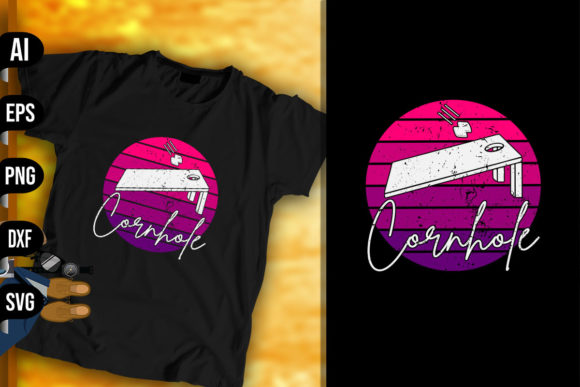
The layout of the Vintage Cornhole Retro Design strikes me as balanced. It avoids the trap of being too dense, which is a common issue with many graphics in the Print Templates category. When you look at the shapes and lines, they suggest a clear path for the needle. The theme is unmistakable, evoking memories of tailgates, family gatherings, and lazy afternoons.
For an embroidery designer, the most critical first step is assessing the visual weight. This design has enough presence to stand out on a large canvas like a tote bag or a sweatshirt, yet it retains enough elegance to work on smaller items. The "vintage" aspect implies a slightly weathered or distressed look, which can be tricky in machine embroidery if not executed correctly. However, based on the initial view, this design seems ready to handle the texture of real-world fabrics without losing its charm.
Real-World Application: The Custom Tote Bag Scenario
Let's talk about a specific use case. Imagine you are preparing for a local craft fair or launching a new line on Etsy. You decide to create a set of custom embroidered tote bags featuring the Vintage Cornhole Retro Design. These aren't just grocery bags; they are statement pieces for festival-goers or backyard enthusiasts.
Here is where the design truly shines. A tote bag requires a design that can withstand handling and washing while maintaining its structure. If I were stitching this onto a heavy canvas bag, I would anticipate that the fill stitches would lay down beautifully, creating a tactile surface that invites touch. The vintage style pairs perfectly with natural fabric colors like cream, olive green, or navy blue. It transforms a simple utility item into a boutique product that customers are eager to show off.
But what about other projects? Could this work for a holiday gift? Absolutely. Think of a personalized apron for a barbecue host or a cozy pillow cover for a game night setup. The versatility of the Graphics allows it to fit seamlessly into various categories of handmade goods. Whether it is a baby blanket for a gender-neutral nursery or a patch for a denim jacket, the design adapts well to different contexts.
Navigating Stitch Density and Fabric Choices
While the design looks promising, there are practical considerations every embroiderer must address before hitting the start button. The Vintage Cornhole Retro Design likely contains areas of varying stitch density. In machine embroidery, high-density areas can cause puckering if the wrong stabilizer is used, especially on lightweight or stretchy fabrics.
If you plan to use this for sweatshirt embroidery, you will need a cut-away stabilizer to support the knit fabric and prevent the design from distorting over time. For apron projects made of cotton duck or linen, a tear-away might suffice, but always test first. The risk of thread breakage increases if the stitch count is high and the fabric is thin, so checking the thread color contrast is essential.
I also want to highlight the importance of hoop size. If your design includes intricate details or tiny lettering, ensure your machine's hoop can accommodate the full width without cutting off edges. Small hoop sizes often force designers to scale down, which can ruin the impact of a design like this. If you are working with curved surfaces like caps, the curvature might flatten some of the depth intended by the retro styling, so proceed with caution on fitted hats.
Where to Exercise Caution
No single design is perfect for every situation. There are specific scenarios where the Vintage Cornhole Retro Design might struggle. For instance, if you are working with textured fabrics like boucle or heavily ribbed knits, the definition of the design could get lost. Similarly, on dark fabrics, you will need to consider underlay stitches carefully to ensure the top threads pop without showing through.
Be wary of using this design on products that require frequent, harsh washing, such as commercial-grade work uniforms, unless you have verified the durability of the stitch pattern. Dense stitch areas can sometimes trap lint or dirt over time. Additionally, if you are aiming for a very sharp, modern look, the vintage aesthetic might feel slightly too relaxed for corporate branding, though it is perfect for lifestyle brands.
Professional Notes for the Embroidery Designer
Before you commit this design to a final product, whether for personal use or as part of your craft business inventory, follow these steps:
- Test on Scrap Fabric: Never run a new design directly onto your best material. Use a scrap piece of the same fabric and stabilizer combination to check for puckering, thread tension, and overall clarity.
- Check Thread Colors: Ensure the chosen thread colors provide sufficient contrast against your fabric. A vintage design often relies on muted tones, so avoid colors that blend too much with the background.
- Review Stitch Density: Look closely at the fill stitch areas. Are they too thick? Do they need trimming or reduction to prevent bulk?
- Confirm Hoop Size: Verify that your design fits within your standard hoops. If you need to resize, do so proportionally to maintain the integrity of the running stitch and satin stitch elements.
- Inspect Small Details: Zoom in on the digital preview. Are there any tiny corners or fine lines that might not stitch up well? Sometimes, what looks good on screen disappears in thread.
- Test in Black and White: Create a monochrome mockup to see how the value contrast holds up. This helps predict how the design will look on both light and dark fabrics.
- Verify Licensing: Since this is a digital asset, double-check the license terms. Confirm whether you can sell finished items created with the Vintage Cornhole Retro Design and if there are any restrictions on the number of units produced.
Final Thoughts on Value and Appeal
In the world of handmade products, presentation is everything. A well-executed embroidery project builds trust with buyers. The Vintage Cornhole Retro Design offers a strong foundation for creating professional-looking merchandise. It elevates the perceived value of a personalized gift or a small shop product because it shows attention to detail and a cohesive theme.
Whether you are an Etsy seller looking to expand your catalog, a commercial embroidery operator needing reliable assets, or a hobbyist making gifts for friends, this design delivers. It balances nostalgia with modern usability, making it a versatile tool in your creative toolkit. Just remember that the success of the final product depends on your preparation—choosing the right stabilizer, testing the tension, and respecting the limitations of your equipment.
When done right, the result is a finished product that doesn't just look good but feels good to own. The Vintage Cornhole Retro Design has the potential to become a staple in your collection of design assets, bridging the gap between digital creativity and tangible, stitched art.